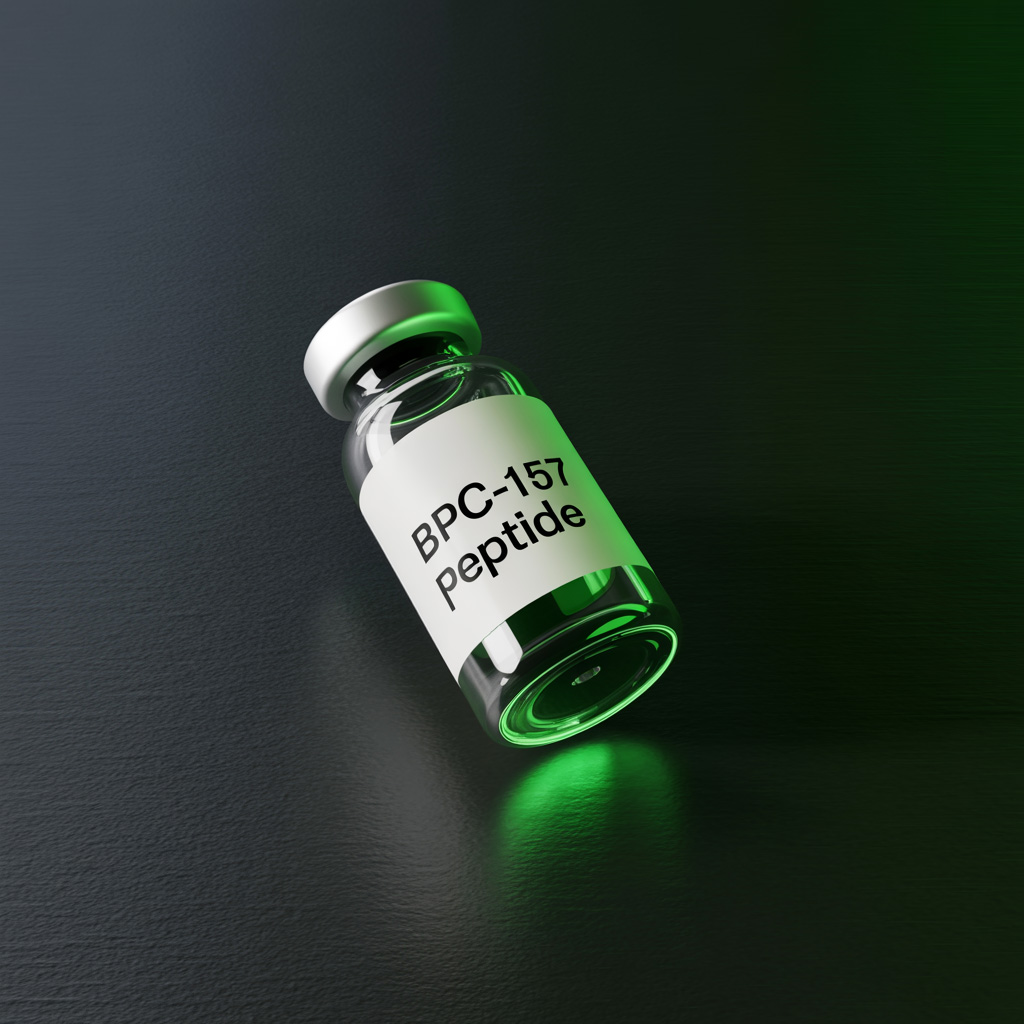
BPC-157 complements this by mitigating drug-induced nephrotoxicity and ischemia-reperfusion damage, preserving kidney function through anti-apoptotic and anti-oxidative mechanisms
What This Guide Covers Covered in This Guide Origin and structure of BPC-157 Proposed mechanisms of action Summary of animal research by area Key limitations of the evidence base Administration routes discussed in the literature Common misinterpretations of the data Not Covered Here Specific dosing recommendations Sourcing or procurement guidance Legal status by jurisdiction Combination protocols with other peptides Clinical endorsement of any kind Context: BPC-157 belongs to the category of research peptides with plausible mechanisms but absent human trial data
Reconstituted Storage With bacteriostatic water, refrigerate at 28C for up to 4 weeks
DHT and follicle protection Dihydrotestosterone, or DHT, is the primary driver of androgenetic alopecia
Benzyl alcohol mechanism: in microbiology research, benzyl alcohol disrupts bacterial membrane integrity at low concentrations, providing bacteriostatic (growth-inhibiting) not bactericidal activity against common skin and air contaminants

Bacteriostatic Water Key Research Facts Composition: Sterile water for injection + 0.9% w/v benzyl alcohol (bacteriostatic preservative) pH: Typically 4.57.0 (most preparations 5.06.5) Preservative mechanism: Benzyl alcohol disrupts bacterial cell membrane integrity and inhibits bacterial enzyme systems Primary advantage: Multi-use capability maintains sterility across repeated needle access to the vial Shelf life after opening: Typically up to 28 days when stored correctly and accessed under sterile conditions Compatibility: Suitable for most water-soluble research peptides at neutral to mildly acidic pH Not suitable for: Peptides that require an acidic reconstitution environment use acetic acid water first for those compounds Format: Sterile vial with resealable rubber stopper for multi-use access Distributed by: Peptides Lab UK What is Bacteriostatic Water Used for in Peptide Research